SANCA Drug Awareness Week: 22–27 June 2026
Alcohol is also a Drug: Why South Africa Needs a More Honest Conversation
South Africa cannot win the fight against substance abuse if we continue to focus only on illegal drugs while overlooking one of the most harmful substances in plain sight. The evidence is clear, the impact is widespread, and the consequences are felt daily in our homes, schools, hospitals, workplaces, and communities.
Recognising alcohol as a drug is not about judgment or prohibition. It is about honesty, acknowledging the risks, understanding the evidence, and enabling informed choices ,that protect health and wellbeing.
As the South African Medical and Dental Practitioners Association (SAMDP), we believe prevention, education, and early intervention remain among the most powerful tools to safeguard public health.
Every conversation that raises awareness can prevent harm. Every informed young person is better protected.
Every parent, healthcare worker, educator, and community leader who speaks openly about alcohol becomes part of the solution.
The conversation about substance abuse must include alcohol, because the substance most widely accepted may also be causing the most silent harm.

Alcohol: A Hidden Drug in Plain Sight
When people hear “drug,” attention often turns to substances such as nyaope, tik, cocaine, or heroin. Their devastating impact is undeniable and rightly condemned. However, alcohol is also a psychoactive drug that is legal, widely available, and deeply normalised in society. Because of this, its risks are often underestimated or ignored.
Alcohol affects the brain, alters behaviour, impairs judgment, and can lead to dependence. Its impact extends far beyond the individual, affecting families, workplaces, healthcare systems, and entire communities.
The Hidden Health and Social Cost
Alcohol use is associated with a wide range of serious health conditions, including liver disease, cardiovascular disease, stroke, several cancers, pancreatitis, mental health disorders, and addiction. Importantly, evidence shows there is no completely risk-free level of alcohol consumption when it comes to cancer risk, even at low levels of intake.
Beyond health, alcohol contributes significantly to:
- Road traffic accidents, leading to preventable loss of life and injury
- Gender-based violence, by increasing aggression and reducing inhibition
- Family breakdown, through conflict, instability, and intergenerational trauma
- Economic loss, due to absenteeism, reduced productivity, and healthcare costs
Alcohol-related harm is therefore not only a medical issue, it is a social and developmental challenge.
Young Women and Girls: A Growing Public Health Concern
The risks are particularly concerning among young people, especially adolescent girls and young women.
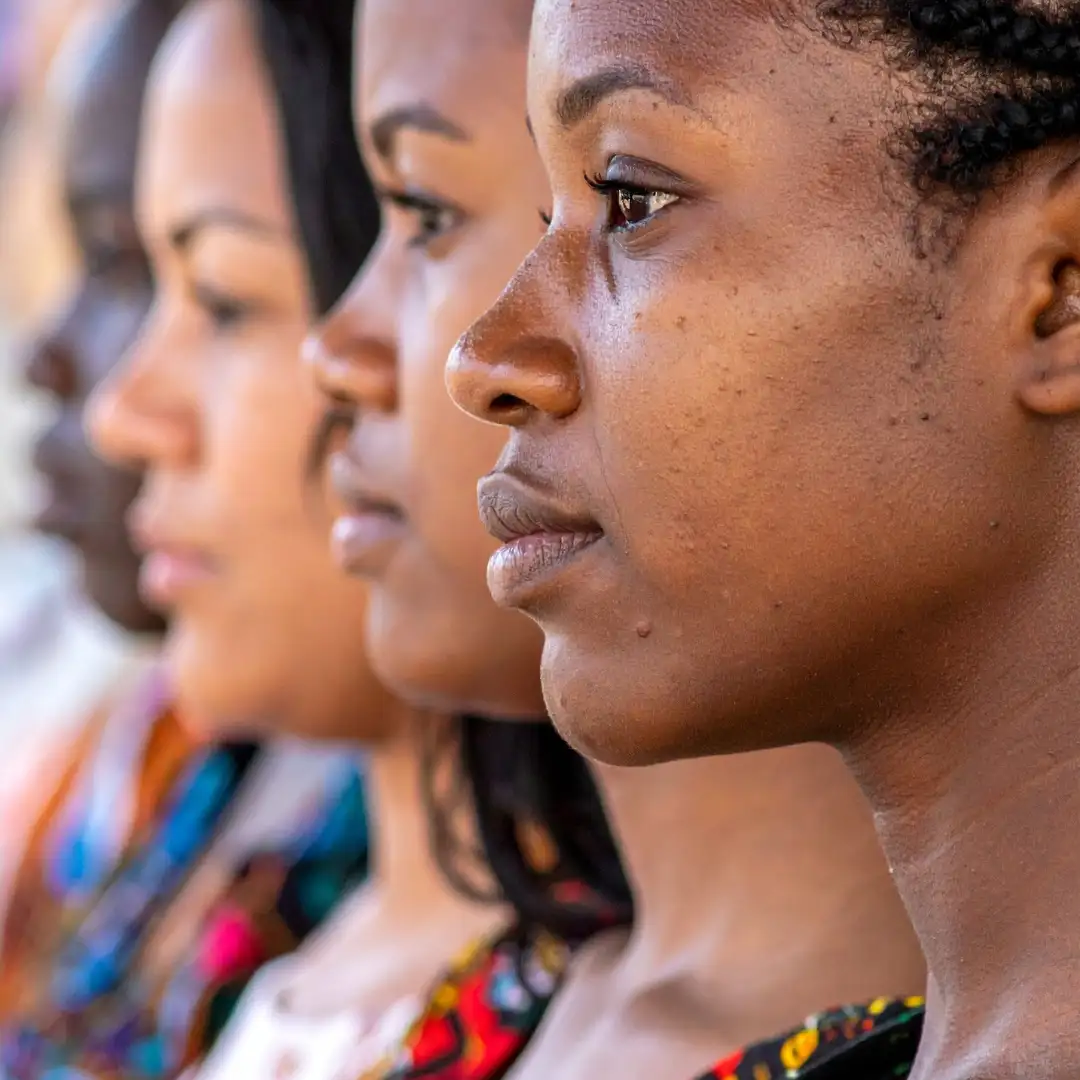
According to a 2026 University of Cape Town-led analysis from the HERStory Study, published in the South African Medical Journal, nearly one in three adolescent girls and young women aged 15–24 years reported consuming alcohol, while more than half of those who drank engaged in hazardous drinking patterns (Tlali et al., 2026).
The study, which analysed data from 4,377 girls and young women aged 15 to 24 years across six high HIV-burden districts, found that nearly one in three (32.2%) reported consuming alcohol. Even more concerning, among those who drank alcohol, more than half (50.6%) engaged in hazardous drinking, while almost one in four (22.7%) reported binge drinking. Alcohol use was highest among young women aged 20 to 24 years, and researchers found that young women who were not attending school were significantly more likely to engage in harmful drinking behaviours.

These findings should concern every South African. Alcohol use among adolescent girls and young women is associated with:
- Increased vulnerability to HIV infection
- Unintended pregnancies
- Gender-based violence
- Mental health challenges
- Educational disruption
For a country already grappling with high rates of HIV infection and violence against women and children, harmful alcohol use among young women represents a significant public health threat.
The HERStory Study reinforces a powerful message: alcohol is not merely a social activity. It is a substance capable of influencing life-changing decisions, increasing health risks, and limiting opportunities for young people.
As healthcare professionals, educators, parents, policymakers and community leaders, we have a shared responsibility to ensure young people receive accurate information and are empowered to make informed choices that protect their futures.
A Shared Responsibility
One of the greatest barriers to addressing alcohol-related harm is stigma and selective perception. Society often separates “drinkers” from “drug users,” despite alcohol being a drug in its own right. This limits honest conversations about risk, dependence, and harm.
Reducing alcohol-related harm requires a collective response:
Healthcare professionals: Screen for harmful use and provide early intervention
Parents and caregivers: Communicate openly and model responsible behaviour
Schools and communities: Strengthen prevention programmes and safe environments
Policymakers: Support evidence-based interventions and awareness campaigns
A Healthier Future Starts with honest conversations
The evidence is increasingly difficult to ignore. While South Africa continues to confront the devastating impact of illicit drugs such as nyaope and tik, research shows that alcohol remains one of the country’s most widely used yet under-recognised drivers of harm.
The findings of the 2026 HERStory Study among adolescent girls and young women serve as a stark reminder that alcohol is a pressing public health challenge. If nearly one in three young women are already consuming alcohol—and many are engaging in hazardous drinking—then prevention can no longer be an afterthought.
As the South African Medical and Dental Practitioners Association (SAMDP), we believe prevention, education, and early intervention are essential to protecting the health and future of our nation. The conversation about substance abuse must include alcohol—because what we fail to name, we fail to address.
Read the HERStory Study here or download the UCT Study here.