
Salt, Pressure And Survival: Why South Africans Must Act Now
World Salt Awareness Week (12–18 May) and World Hypertension Day (17 May) are not isolated dates on a calendar, they are a wake up call for South Africa.
High blood pressure is a silent epidemic, and our national salt glutted diet is one of its main drivers. As medical and dental professionals, we have both the responsibility and the opportunity to shift this trajectory, one patient, one household, and one policy at a time.
Confronting the Reality on the Ground: Salt and blood pressure
South Africans consume, on average, about double the World Health Organization’s recommended daily limit of 5 g (roughly one teaspoon) of salt per person. This high intake is directly linked to rising rates of hypertension, stroke, heart disease, and kidney damage.
In South Africa, hypertension affects around 45% of men and 48% of women aged 15 and older, translating to millions living with “the silent killer” that often goes undetected because it shows no symptoms. Shockingly, only about 19% of men and 29% of women with hypertension are aware of their condition, and less than 9% have their blood pressure properly controlled.
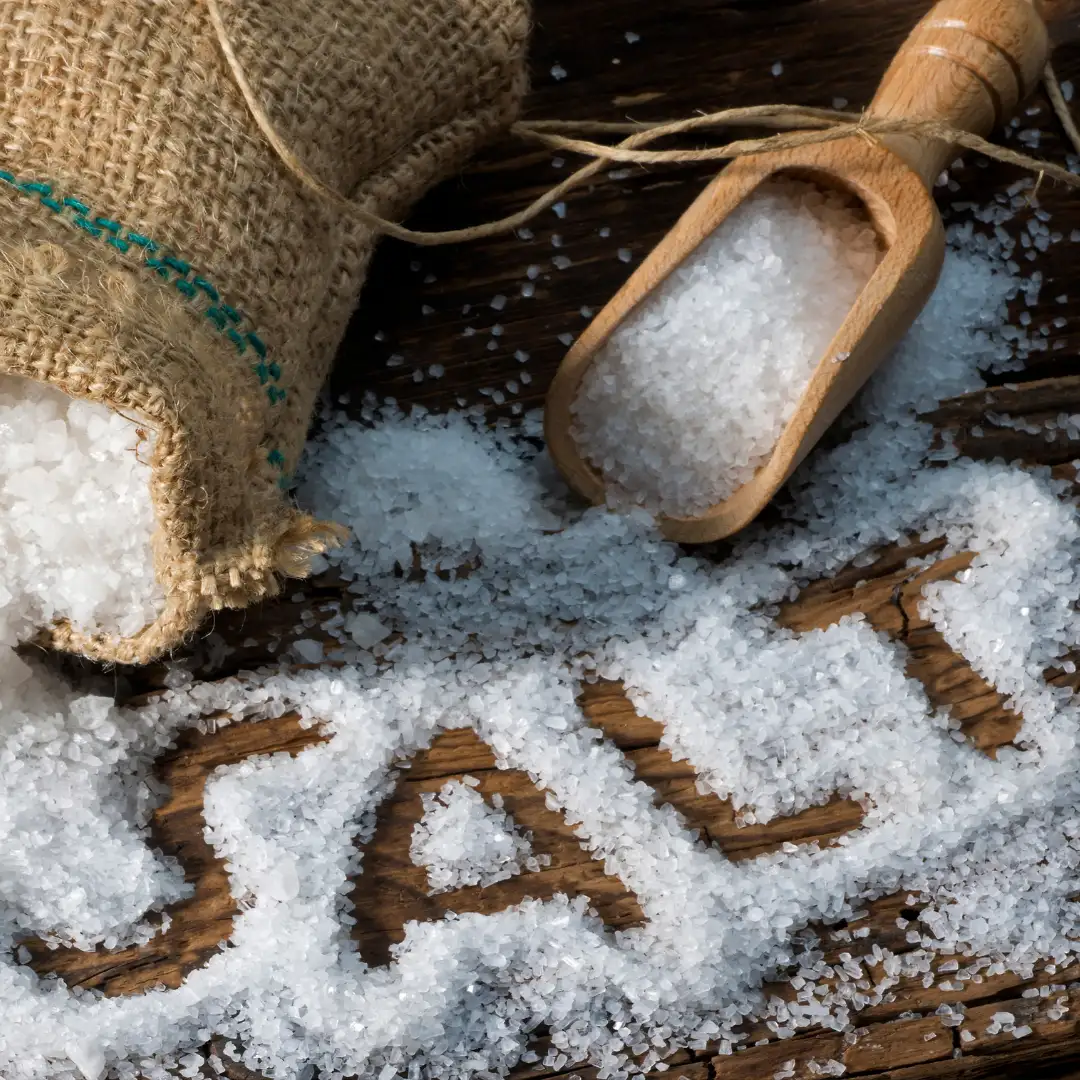
Why salt matters in our setting
Salt is not just a flavour enhancer; it is a key modifiable risk factor for cardiovascular disease. Populations with high sodium intake tend to have higher average blood pressures, and even small reductions in salt can produce measurable benefits over time.
In South Africa, where processed breads, gravies, seasoning mixes, snacks, and ready to eat meals are staples, much of the salt people consume comes from the food industry, not the kitchen shaker. This makes policy level action, public education, and professional advocacy essential—not just individual willpower.
What Medical and dental practitioners can do
As frontline clinicians, your influence extends far beyond the consultation room:
Measure and explain
- Take blood pressure seriously at every appropriate contact and explain what the numbers mean in simple language.
- Use the “rule of halves” (many unaware, many undiagnosed, many untreated, many uncontrolled) to underscore why proactive screening and follow up are non negotiable.
Advise on salt reduction
- Warn patients that “just a bit of salt” adds up quickly when most comes from packaged and restaurant foods.
- Encourage them to read labels, choose low sodium options, cook more at home, and limit processed meats, salty snacks, and awaysome “sader” seasoning mixes.
Advocate for policy and awareness
- Publicly support stricter salt reduction regulations and front of pack labelling that help patients make informed choices.
- Use your voice in professional forums, media, and social media to normalise talking about blood pressure and salt as part of everyday health.

A call to action for South Africa
For the public:
- Get your blood pressure checked regularly, even if you feel “fine.”
- Choose fresh, minimally processed foods; cook at home; and challenge the idea that “food must taste salty to be good.”

For SAMDP members:
- Make 17 May World Hypertension Day a focal point in your practices: offer free screenings, run community talks, or post educational content.
- Use 12–18 May, Salt Awareness Week, to launch a “low salt challenge” in your practice, share infographics, or partner with local schools or churches to spread the message.
For policymakers and industry:
Strengthen and enforce salt reduction targets, front of pack labelling, and public health campaigns that make low salt choices easy, affordable, and visible.
By confronting our salt soaked food environment and breaking the silence around hypertension, South Africa has a real chance to prevent millions of avoidable strokes, heart attacks, and early deaths.
As doctors, dentists, patients, and policymakers, we must act together: measure blood pressure, cut salt at home and in policy, and put nurses, community health workers, and pharmacists at the centre of this change.
The future of South African health depends on the decisions we make today.


